Alternatives to Private Medical Insurance for SMEs
A guide for small businesses exploring cost-effective employee healthcare benefits.


Blog article | By Simplyhealth | Published on XX/08/2026
What are the alternatives to private medical insurance for SMEs?
If you’re a small business looking for more affordable ways to support employee health, there are several alternatives to private medical insurance (PMI). The most common options include health cash plans, online GP services, mental health and wellbeing support, and flexible health benefit allowances.
These alternatives do not usually provide the same level of cover as PMI for acute treatment, hospital care or surgery. However, they can still deliver meaningful employee value, support preventive care, and help SMEs offer healthcare benefits at a lower, more predictable cost. *Depending on the product selected.
Health cash plans
Health cash plans enable employees to claim back money towards everyday healthcare costs, such as:

Dental check‑ups and hygienist visits
Optical tests and glasses
Physiotherapy
Chiropractic and osteopathy
Prescriptions
Employees usually pay for treatment first and then claim back eligible costs up to the limits of their plan. Health cash plans focus on routine healthcare and early intervention, rather than hospital treatment or specialist procedures.
More than 1.6 million employees are covered on paid-for corporate cash plans, rising to more than two million people if family members and dependents are included.1

Why they matter: An average of 4.1 sick days could be saved if employees had access to a health cash plan.2 Access to a health cash plan may help reduce sickness absence by encouraging employees to address everyday health needs earlier.
Online GP services
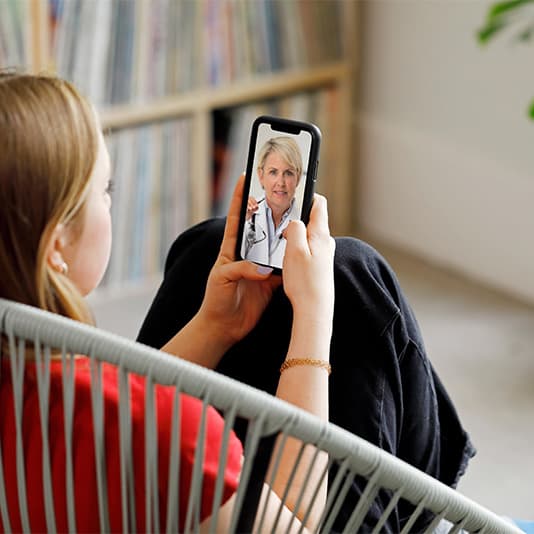
Online GP services give employees access to qualified doctors via phone or video, often with appointments available more quickly than through traditional primary care.
Many services offer:
Same-day or next-day appointments
Prescription support
Medical advice
Referrals where appropriate
This can be particularly valuable for reducing time away from work.
Why they matter: Nationally, 2.7 million patients had to wait more than 22 days from the time they booked to their appointments taking place.3 For SMEs, faster access to a GP can improve convenience for employees and support earlier action on any health concerns.
Mental health and wellbeing support
Some employers offer wellbeing benefits designed to support prevention and early intervention, including:
Employee Assistance Programmes (EAPs)
Counselling support
Mental health helplines
Wellbeing apps
Mindfulness and resilience resources
These services do not replace full medical cover, but they can play an important role in supporting workforce wellbeing and reducing the impact of mental ill-health on attendance and productivity.
Why this matters: Mental ill-health remains one of the leading causes of workplace absence in the UK, making early access to support increasingly important for employers.4
Flexible benefit allowances
Some SMEs choose to offer a flexible allowance that employees can use towards the health and wellbeing support most relevant to them.
This might include:
Gym memberships
Counselling
Massage or physio
Nutrition support
Health apps
Fitness equipment
This approach gives employees more choice and can work well for diverse teams with different needs and preferences.
Why this matters: Flexible benefits can support wellbeing, motivation, retention and employee satisfaction when designed around workforce needs.5

Why SMEs choose alternatives to private medical insurance
Many SMEs want to support employee health, but not every business can justify the cost of comprehensive private medical insurance. Common reasons SMEs opt for alternatives include:

Lower cost per employee
Alternatives such as health cash plans, EAPs and online GP services can make healthcare support more accessible within limited budgets.
Easy onboarding & administration
Many alternatives are relatively simple to introduce and manage, which can appeal to businesses without dedicated HR or benefits resource.
Focus on prevention
Benefits that support routine care, fast advice and wellbeing can encourage employees to seek help earlier.
Comparison table: private medical insurance vs alternative healthcare benefits
The table below compares private medical insurance with common SME healthcare alternatives based on what they cover, their typical cost profile and where they may be most suitable.
Key takeaway
If your priority is full medical treatment cover, PMI remains the most comprehensive option. If your priority is cost control, prevention and everyday employee value, alternatives may be a better fit.
Plan details and pricing can vary considerably depending on the provider and product.
Cost comparison for SMEs
Healthcare benefit pricing can vary significantly depending on the provider, plan level, workforce size, age profile and whether cover is offered to individuals or family members. The ranges below are illustrative only and should be checked directly with providers.
Health cash plans:
Health cash plans can typically start from around £5 to £13 per employee per month, depending on the level of cover and provider terms.
Private Medical Insurance:
PMI can often be among the higher-cost healthcare options, although pricing varies significantly between providers, plans, and levels of cover. Mid-range SME pricing may often sit somewhere in the middle of that range, but costs vary widely.6
Mental health and wellbeing support/EAPs:
EAP or wellbeing support pricing may start from around £2 to £3.30 per employee per month, although this depends on the services included, employee numbers and provider model.
Online GP services:
Some online GP access is included within wider health plans for example, the Simply Health Plan includes 24/7 online GP access. As a standalone service, pricing may start from around £6 to £10 per employee per month, depending on team size and service level.
Flexible benefit allowances:
This depends entirely on the budget set by the employer. Some businesses offer a modest monthly allowance, while others provide a much broader flexible benefits pot.
When alternatives work best
Alternatives to private medical insurance may work particularly well for:
Small teams with limited budgets: They allow SMEs to offer meaningful healthcare support without the cost often associated with PMI.
Businesses focused on prevention: They can encourage employees to use healthcare support earlier and more regularly.
Employers looking to improve perceived benefit value
Everyday healthcare benefits are often more visible and easier for employees to use.
Businesses introducing healthcare benefits for the first time
Alternatives can offer a practical entry point before moving to more comprehensive cover later.

SME healthcare benefit scenarios
Scenario 1:
Small business replacing PMI
A 10-person business finds annual PMI costs difficult to sustain.
Instead, it introduces a health cash plan and online GP service, providing employees with support for routine healthcare and faster access to medical advice at a lower overall cost.
Scenario 2:
First employee health benefit
A growing SME is looking to introduce healthcare benefits but needs to work within a limited budget.
Rather than committing to PMI immediately, it launches an employee assistance programme and an online GP service to establish a wellbeing offering.
Scenario 3:
Growing business combining benefits
A company with 50 employees combines a health cash plan, mental health support programme, and online GP service.
This creates a broader wellbeing package while remaining more affordable than providing comprehensive PMI for all employees.
Closing words
There is no single best approach to employee healthcare. For many SMEs, alternatives to private medical insurance can offer meaningful support, encourage preventative care and deliver visible employee value while remaining cost-effective.
The right solution depends on your budget, workforce needs and long-term people strategy. For some businesses, that may mean choosing one lower-cost option. For others, it may mean combining several benefits to create a broader package.
If you are comparing options, start by asking:
What level of healthcare support your employees value most
Whether your priority is prevention, access, wellbeing or comprehensive treatment cover
How much budget you can sustain over time
Whether a single benefit or blended approach would deliver the best value
Join 2 million people and 7,000 businesses who trust Simplyhealth
With over 150 years of making healthcare simple, we help businesses build happier, healthier, higher‑performing teams. Start your quote today.
Frequently asked questions
What are the alternatives to private medical insurance for SMEs?
Common alternatives include health cash plans, online GP services, mental health support, wellbeing programmes and flexible health benefit allowances. These options can help SMEs support employee health at a lower cost than comprehensive PMI.
What is the difference between private medical insurance and a health cash plan?
Private medical insurance (PMI) helps cover the cost of private healthcare for acute conditions, including consultations, diagnostic tests, hospital treatment and surgery. A health cash plan, on the other hand, helps employees claim money back towards everyday healthcare expenses such as dental check-ups, eye tests, glasses and physiotherapy.
While both support employee health and wellbeing, they are designed to meet different needs. You can learn more about the key differences between PMI and health cash plans in this article.
Are health cash plans better than private medical insurance?
Neither option is necessarily better, they simply serve different purposes. Health cash plans focus on everyday healthcare expenses and preventative care, while private medical insurance typically covers specialist consultations, diagnostics and private treatment.
Can SMEs offer healthcare benefits without private medical insurance?
Yes. Many SMEs support employee health through a combination of health cash plans, online GP services, EAPs and wellbeing benefits without offering PMI.
What is the cheapest way to offer employee healthcare?
Lower-cost options may include EAPs, wellbeing support, online GP services and health cash plans. The most affordable route depends on the level of support you want to provide and the provider you choose
Do SMEs need private medical insurance?
No. While private medical insurance can be a valuable benefit, many SMEs successfully support employee health through a combination of alternatives such as health cash plans, wellbeing support and online healthcare services.
You might also be interested in...

Business health cash plan for SMEs
Help your employees stay on top of their health with a simple, affordable plan that includes money back towards everyday healthcare costs, 24/7 online GP access and mental health support.

Insights Hub
A collection of articles and reports that provide employers with guidance, data and practical resources to help improve workplace health and wellbeing.